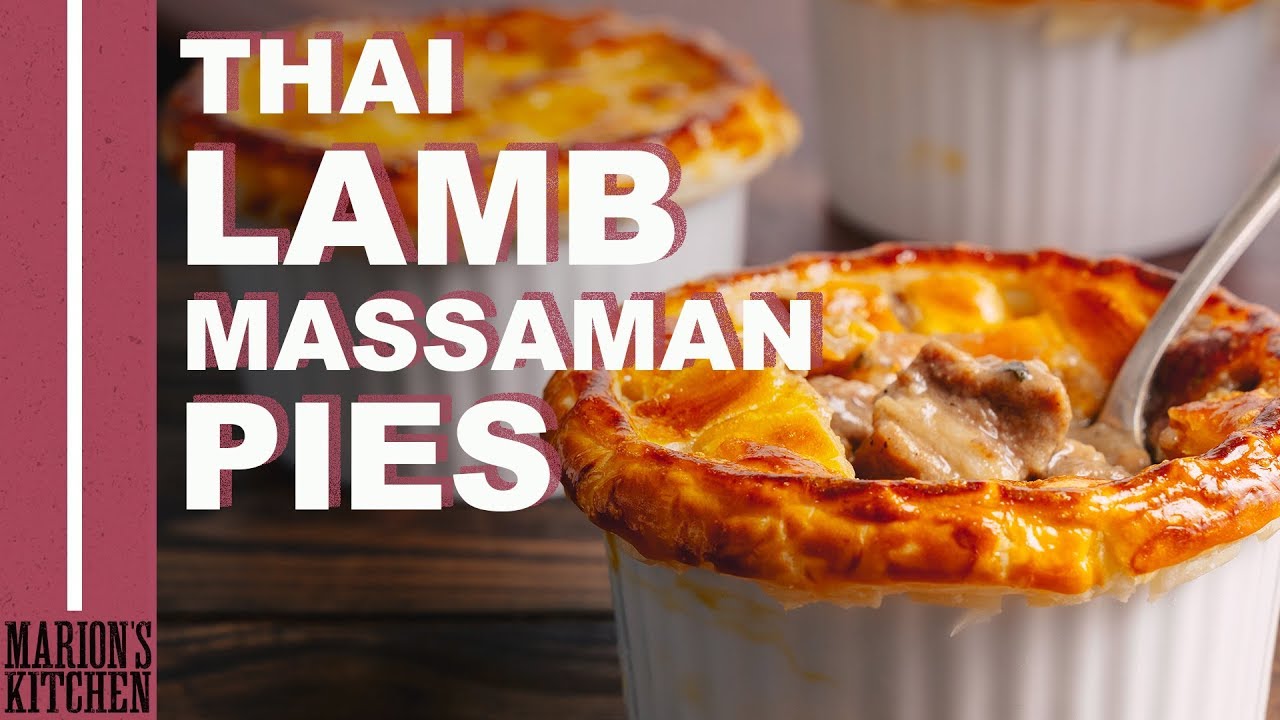
Is Massaman Truly Thai? Tracing the Origins of This Unique Curry
Massaman curry stands out in the vibrant tapestry of Thai cuisine. Unlike its fiery red and green counterparts, this rich, aromatic dish boasts a milder, yet profoundly complex flavor profile that hints at a history far grander than a single national origin. Often featuring succulent meats like beef or chicken, it truly shines when prepared as a slow-cooked
thai lamb massaman, a dish that melts in the mouth and warms the soul. But how "Thai" is Massaman, really? Its unique blend of spices and its very name spark a fascinating debate among culinary historians and food lovers alike.
The Allure of Thai Lamb Massaman: A Culinary Masterpiece
Imagine tender lamb shanks, slow-roasted to perfection, bathed in a creamy, intensely aromatic coconut milk sauce – that's the magic of a well-prepared
thai lamb massaman. This comforting, flavour-packed dish offers a symphony of tastes, making it an ideal choice for a hearty family dinner or a special occasion. The beauty lies in the long, slow cooking process, which ensures the lamb becomes incredibly tender, practically falling off the bone, while allowing the rich curry sauce to deepen in flavour.
While it might not be the first dish that comes to mind when you think of Thai cuisine – that honor often goes to popular staples like Green Thai Chicken Curry, Thai Red Beef Curry, or Pad Thai – Massaman holds a special place for those who've discovered its charms. It's a mild curry, yes, but its intensity comes not from heat, but from the incredible depth of its spice blend. Once you experience its unique balance of sweet, savory, sour, and subtly spicy notes, you'll undoubtedly fall in love. Forget ordering expensive takeaways; creating your own authentic
thai lamb massaman at home elevates the experience far beyond what any jarred sauce or restaurant can offer.
Unraveling the Etymology: Where Does "Massaman" Come From?
The very name "Massaman" (sometimes spelled "Matsaman") offers the first clue to its intriguing heritage, for it is not a Thai word. This linguistic anomaly has led historians down several paths, each suggesting a rich tapestry of cultural exchange. The most widely accepted theory posits that the term "Massaman" is derived from "Mussulman," an archaic word for Muslim. This connection strongly suggests that Muslim traders and communities played a pivotal role in introducing the foundational elements of this curry to Thailand, particularly in the south. The use of oriental spices like cumin, cardamom, cloves, and cinnamon, which are more typical of Middle Eastern, Indian, or Persian cuisines than traditional Thai fare, lends significant weight to this argument.
Another fascinating theory suggests that "Massaman" might originate from the Malay word "masam," which translates to "sour." This interpretation also holds merit, as tamarind paste is a crucial ingredient in Massaman curry, contributing a distinct tangy acidity. Some traditional recipes even call for additional tamarind juice or Thai sour tamarind to enhance this flavour profile. While the exact linguistic origin remains debated, both theories point to influences beyond purely indigenous Thai culinary traditions, highlighting Massaman as a testament to Thailand's history as a melting pot of cultures.
A Spice Blend Like No Other: Massaman's Unique Flavor Profile
What truly sets Massaman apart from other Thai curries is its distinct spice blend. While traditional Thai curries rely heavily on fresh aromatics like galangal, lemongrass, kaffir lime, and an abundance of chilies, Massaman incorporates a more diverse array of dried spices that are less common in typical Thai dishes. Key amongst these are cumin, cardamom, cloves, cinnamon, and sometimes even nutmeg and star anise. These spices are the fingerprints of its suspected foreign origins, bringing warm, earthy, and aromatic notes that create a profoundly complex and comforting flavor profile.
This unique combination of spices makes Massaman a comparatively mild curry in terms of heat, yet it is incredibly rich and intense in flavour. The sweetness often comes from palm sugar, balancing the sourness of the tamarind and the richness of the coconut milk. The result is a harmonious blend that coats the palate with layers of flavour, making each bite an experience. For the most authentic and vibrant taste, making the curry sauce from scratch is highly recommended. While the ingredient list might seem long, the process is surprisingly straightforward, often not even requiring a food processor – just a good curry pot and a bit of patience. Understanding these intricate layers of taste is key to
Unlocking Thai Lamb Massaman: Mild Yet Intense Flavor Secrets, allowing you to appreciate the depth of its culinary heritage.
Tracing Massaman Through History: Early Records and Evolution
While the influences of Massaman likely predate any written record, the first known documentation of the recipe appeared in 1889. This historical entry was made by Lady Plean Passakornrawong, a noblewoman and royal cook, who documented the dish under the name "Matsaman." Interestingly, her original recipe specified chicken as the protein and even included orange juice, showcasing how recipes can evolve and adapt over time. The absence of lamb in the earliest record, despite
thai lamb massaman being a highly cherished version today, highlights this culinary evolution.
Over the centuries, the dish has been embraced and adapted within Thai kitchens, leading to numerous variations. While beef and chicken remain popular choices, duck is also occasionally used, and of course, lamb has become a favored meat, especially for hearty, slow-cooked preparations like lamb shanks. Ingredient substitutions are also common, with bay leaves often standing in for the harder-to-find makrut lime leaves without compromising the dish's fundamental character. This adaptability and integration into the Thai culinary landscape demonstrate how a dish with foreign roots can become a beloved national treasure, evolving while retaining its core identity.
Making Your Own Authentic Thai Lamb Massaman: Tips and Benefits
There's immense satisfaction in preparing a dish as rich and flavorful as
thai lamb massaman from scratch. Beyond the delicious outcome, it offers a healthier alternative to store-bought jarred sauces, which often contain preservatives and artificial ingredients, and a more cost-effective option than frequent takeaways. Your body truly deserves the vibrant, fresh ingredients that go into a homemade Massaman.
For the best results, especially with lamb, opt for cuts that benefit from slow cooking, such as lamb shanks or shoulder. The long, gentle simmer is crucial for achieving that melt-in-your-mouth tenderness. Don't be intimidated by the idea of making your own curry paste; many recipes allow you to simply toss the ingredients into the pot as you prepare them, letting them simmer and develop flavor with the meat. Serve your glorious creation with steamed jasmine rice to soak up every last drop of the irresistible sauce, or even with roti bread for a truly authentic experience. For a complete guide to crafting this exquisite dish at home, delve into our article:
Authentic Lamb Massaman: Easy Homemade 'Fakeaway' Guide.
In conclusion, while Massaman curry may not be entirely indigenous to Thailand, its absorption and adaptation into Thai cuisine are undeniable. It stands as a delicious testament to Thailand's historical openness to external influences, creating a dish that is uniquely Thai in its execution, yet global in its heart. The next time you savor a fragrant bowl of
thai lamb massaman, remember the fascinating journey of spices and cultures that converged to create this extraordinary culinary gem.