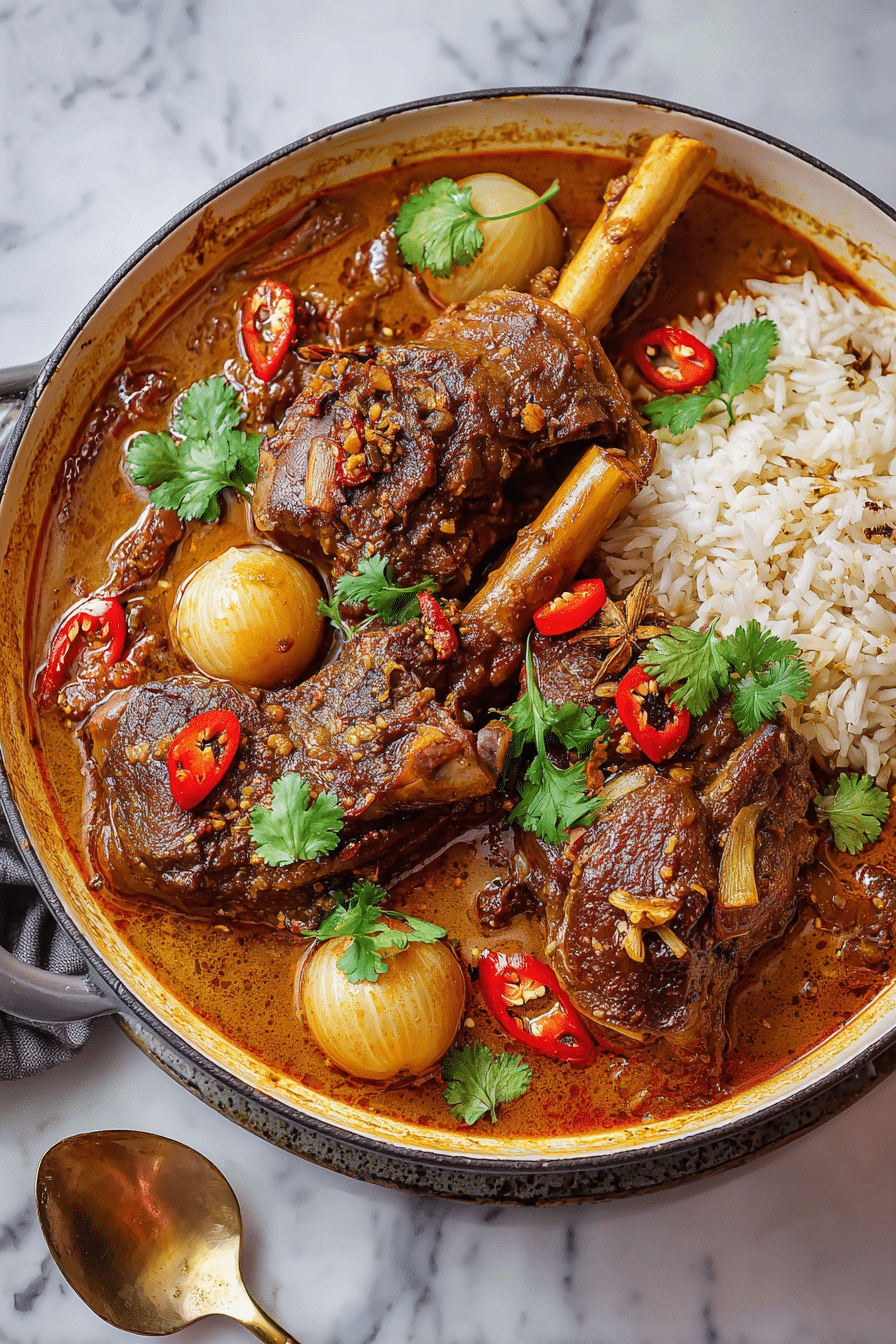
Unlocking Thai Lamb Massaman: Mild Yet Intense Flavor Secrets
Among the vibrant tapestry of Thai cuisine, certain dishes stand out for their unique character. While many immediately conjure images of fiery red or herbaceous green curries, there's a lesser-known gem that captivates with a different kind of intensity: Thai Lamb Massaman. This sumptuous dish offers a delightful paradox – a curry celebrated for its profound flavour depth, yet notably milder in heat compared to its Thai counterparts. For those seeking a comforting, aromatic, and deeply satisfying culinary experience, particularly when paired with fall-apart tender lamb, Massaman is an absolute must-try.
Unveiling the Enigma: What Makes Massaman So Special?
Thai Massaman curry distinguishes itself from other popular Thai curries through its unique flavour profile and aromatic complexity. Unlike the ubiquitous green or red curries, which often rely heavily on the fresh, pungent notes of basil and lime, Massaman journeys into a realm of warmer, more mellow spices. It's a symphony of sweet, sour, salty, and umami, all underpinned by an earthy richness.
What truly sets Massaman apart is its unique blend of spices, many of which are not typically found in traditional Thai dishes. While common Thai aromatics like lemongrass, galangal, and kaffir lime zest (though often substituted with bay leaves in Massaman) are present, the star players are often spices like cardamom, cloves, cinnamon, nutmeg, star anise, cumin, and coriander. These "oriental" or Indian-influenced spices lend Massaman its signature warmth and exotic fragrance, creating a curry that is both profoundly comforting and undeniably intriguing. This mildness, combined with its robust flavour, makes it incredibly appealing to a wide palate, offering a gateway into the nuanced world of Thai curries without overwhelming heat. Despite not being as globally famous as Pad Thai or other curries, those who discover the magic of Massaman often find themselves completely enamoured.
The Art of the Paste: Crafting Authentic Massaman Flavours
The true soul of any Massaman curry lies in its paste. While convenience might tempt you towards pre-made jars, crafting your paste from scratch is an unparalleled experience that elevates the dish to extraordinary heights. The freshness and vibrancy of homemade paste simply cannot be replicated, and contrary to popular belief, it's far less daunting than it sounds. You don't necessarily need a food processor; a traditional mortar and pestle offers an authentic texture and truly awakens the spices.
To begin, you'll typically dry-roast your whole spices – such as cumin seeds, coriander seeds, cardamom pods, cloves, and star anise – until fragrant. This crucial step unlocks their essential oils and deepens their flavour. These are then ground into a fine powder. Next, the fresh aromatics come into play: dried red chillies (soaked to soften), shallots, garlic, galangal, and lemongrass. These ingredients, along with a dollop of pungent shrimp paste, are pounded or blended into a smooth, fragrant paste. The combination of the warm, earthy dry spices with the bright, zesty fresh aromatics and the savoury depth of shrimp paste creates a complex foundation that defines Massaman. For an authentic tang, tamarind paste is indispensable, adding a crucial sour note that balances the richness of the coconut milk. And for those who find makrut lime leaves hard to source, bay leaves offer a perfectly acceptable aromatic substitution.
Slow-Cooked Perfection: Mastering Thai Lamb Massaman
The key to an unforgettable Thai Lamb Massaman lies in achieving meat that is so tender it literally melts in your mouth. This is where the magic of slow cooking comes into play. While the initial preparation for the curry paste and browning the lamb can take around an hour, the true transformation happens during the extended simmer.
For optimal tenderness, particularly with cuts like lamb shanks or shoulder, a long, slow cook time is essential. The collagen and connective tissues in these cuts slowly break down, infusing the meat with the rich curry sauce and resulting in succulent, fall-off-the-bone goodness. Whether you opt for slow-roasted lamb shanks, which might require 3-4 hours or more in a low oven, or a more traditional stovetop simmer for stewing cuts like lamb shoulder or neck fillet (which could be tender in 2-3 hours), patience is your most valuable ingredient.
Start by browning your chosen lamb cut thoroughly in a hot pot; this builds an incredible depth of flavour through the Maillard reaction. Then, introduce your homemade Massaman curry paste, frying it gently to release its aromas. Next, add creamy coconut milk, a splash of fish sauce, and a touch of palm sugar to create the luscious sauce. Incorporating starchy vegetables like potatoes and sometimes onions, often cut into generous chunks, allows them to slowly absorb the curry's flavours as they cook alongside the lamb. Ensure your liquid level is sufficient to cover the meat, allowing it to gently simmer and absorb all the aromatic goodness. The result is a profoundly comforting and nourishing dish, perfect for a hearty family dinner or a special occasion. For a detailed guide on creating this comforting dish, check out our article:
Authentic Lamb Massaman: Easy Homemade 'Fakeaway' Guide.
A Journey Through Time: The Fascinating Origins of Massaman
The very name "Massaman" hints at a history far richer and more complex than most Thai dishes. Unlike other Thai curries with clearly Thai nomenclature, "Massaman" is not a Thai word, sparking fascinating debates among historians and food enthusiasts about its true origins. Its story is a testament to Thailand's historical role as a vibrant crossroads of trade and culture.
One prominent theory suggests the term "Massaman" or "Matsaman" is derived from "Mussulman," an archaic word for Muslim. This theory is supported by the curry's unique spice blend, which features ingredients like cardamom, cloves, and cinnamon – spices commonly associated with Indian and Persian cuisines, brought to Southeast Asia by Muslim traders and settlers. These aromatic spices are distinct from the fresh, herbaceous profiles typical of many other Thai curries, strongly suggesting external influence.
Another intriguing perspective links "Massaman" to the Malay word "masam," meaning "sour." This theory also holds weight, as Massaman curry characteristically incorporates tamarind paste, known for its distinct sour notes, which beautifully balance the dish's richness and sweetness. Some cooks even enhance this acidity further with tamarind juice or Thai sour tamarind. Regardless of the exact etymology, both theories point to a rich tapestry of cultural exchange – whether from Malay traders or Muslim communities integrating their culinary traditions within Thailand.
The first documented mention of a "Massaman" recipe appears in a cookbook from 1889 by Lady Plean Passakornrawong. Interestingly, her recipe called for chicken and orange juice, and spelled the dish "matsaman." This historical record provides a valuable glimpse into the dish's evolution, showcasing how ingredients and spellings can shift over time while retaining its core essence. This blend of indigenous Thai ingredients with imported spices and cooking techniques exemplifies Thailand's dynamic culinary history. To delve deeper into this intriguing culinary mystery, explore our dedicated article:
Is Massaman Truly Thai? Tracing the Origins of This Unique Curry.
Conclusion
Thai Lamb Massaman is more than just a curry; it's a testament to the power of cultural fusion, a dish that has evolved to offer a uniquely balanced and deeply satisfying flavour experience. From its mild yet intensely aromatic spice profile to the succulent tenderness of slow-cooked lamb, every element contributes to its irresistible charm. Forgoing the convenient jarred pastes and embracing the joy of crafting it from scratch elevates this dish from a simple meal to a culinary journey. So, next time you're craving something comforting, flavourful, and authentically unique, embark on the adventure of unlocking the secrets of Thai Lamb Massaman – a truly unforgettable masterpiece of Thai cuisine.